Student reach
459Students received recurring academic, mentoring, or wellness support during the year.
Impact & Reports
This page brings together Lund Nordano Skol IF's annual outcomes, financial stewardship, board-approved reporting priorities, and field-level evidence from the students, families, and schools we serve.
Year in review
Our reporting framework tracks reach, retention, family participation, and school-facing delivery quality so every major program line can be reviewed against practical outcomes.
Student reach
459Students received recurring academic, mentoring, or wellness support during the year.
Households engaged
241Families took part in navigation sessions, school meetings, or referral follow-up.
Partner institutions
27Schools, civic groups, and service partners contributed staff time, venues, or specialist support.
Attendance gain
88%Of high-touch student cases showed improved school attendance over the reporting period.
Report highlights
We do not report activity alone. Each section of the annual report ties operational work to a measurable shift in participation, continuity, or confidence.

Learning continuity
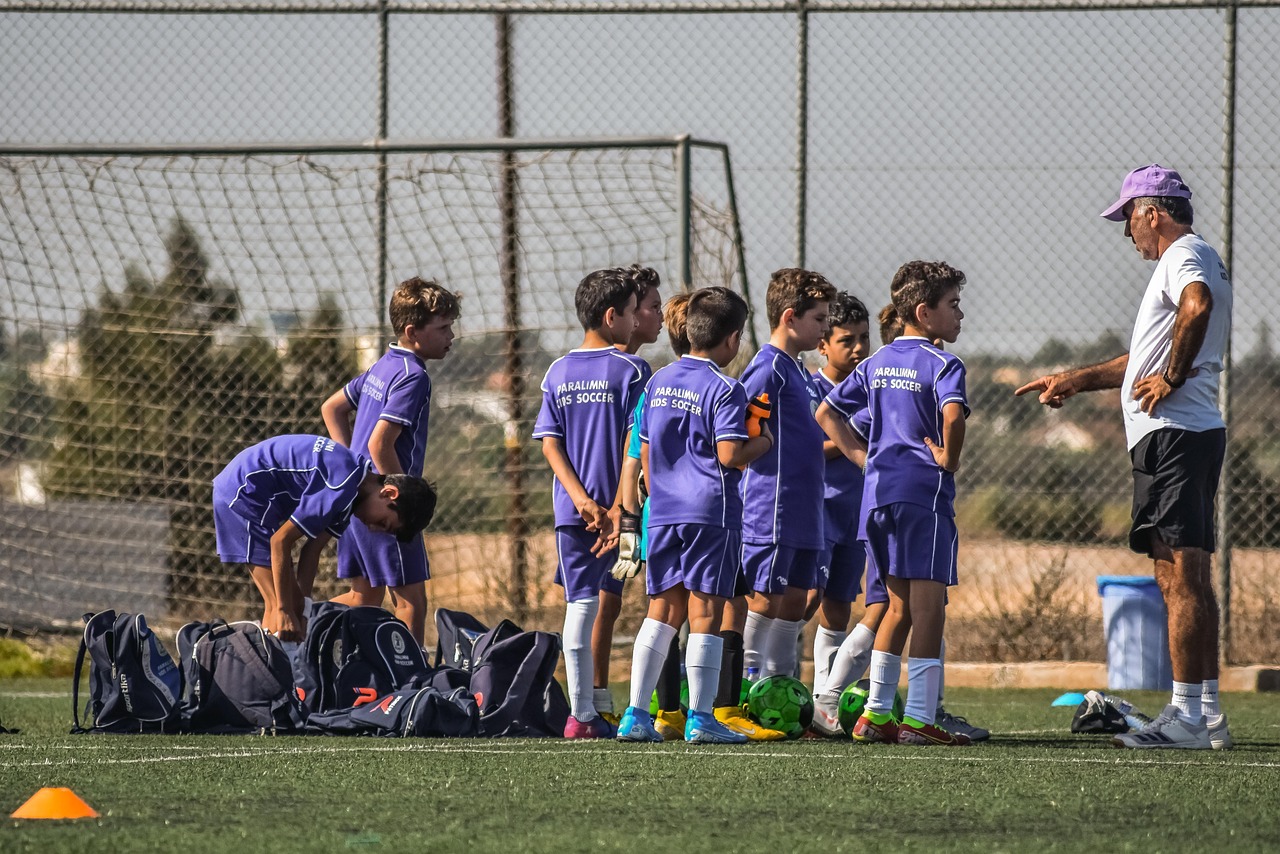
After-school learning labs combined tutoring, check-ins, and family contact so students at risk of disengagement could return to a more predictable weekly routine.
Family participation
Reporting includes household-level engagement data, referral completion, and barriers resolved through school communication, transport support, or service navigation.

Youth leadership
Our fellowship section tracks how students proposed projects, led peer activities, and presented recommendations to staff and board members.
Publication archive
Board-approved publications are structured so donors, partners, and families can trace what changed over time and where the organization adjusted its delivery model.
Featured publication
The 2025 edition consolidates program outcomes, budget allocation, case evidence, board resolutions, and the operating priorities adopted for the 2026 cycle.
Recent editions
Expanded case management capacity, documented stronger attendance outcomes, and formalized quarterly board reporting.
Introduced more structured family navigation pathways and began standardizing partner follow-up notes.
Built the core outcome framework and aligned program heads on shared reporting definitions.
Financial stewardship
We report budgets in a way that makes program intent visible: what funds direct service, what keeps safeguarding and compliance intact, and what supports evaluation.
FY2025 controls summary
Total operating budget: SEK 6.4M
Program expenditure: 70% directed to student support, family services, and youth-led activity.
Oversight rhythm: Quarterly variance review by the board, with reserve discipline and dual-approval spending controls.
Reporting standard: Narrative and financial reporting are reviewed together so outcomes are not separated from cost.
Field evidence
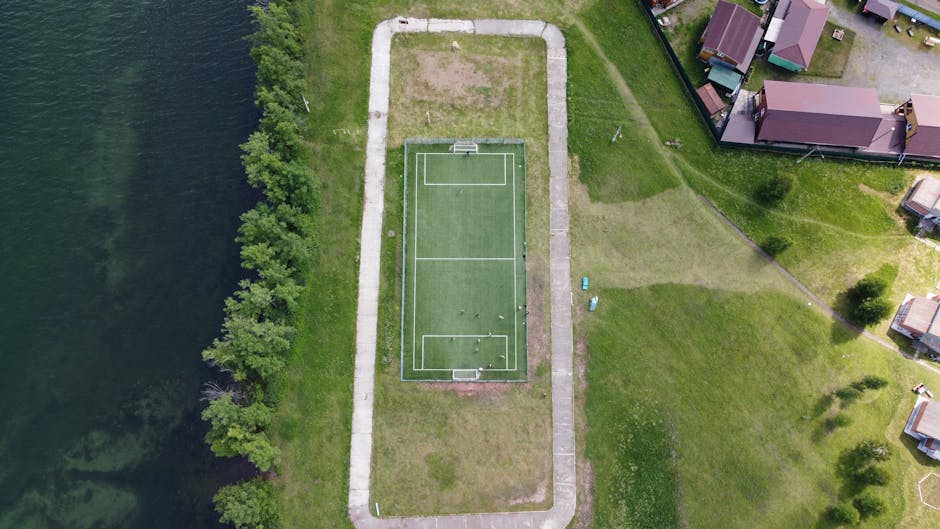
These moments represent the environments where reported outcomes are actually built: classrooms, shared spaces, and community settings where trust and consistency matter.



Public documents
These anchors mirror the core governance materials referenced throughout the site and provide a stable structure for public accountability.
Clarifies board authority, committee roles, voting standards, and decision accountability across the organization.
POL-02Documents approval thresholds, reserve expectations, reporting frequency, and review procedures for budget variance.
POL-03Sets expectations for training, incident escalation, confidentiality, and supervision in student-facing environments.
POL-04Requires annual disclosure, documented recusals, and a clear separation between related-party influence and board action.
Use the reporting hub
Partners and donors can use this page to review accountability materials before funding, collaboration planning, or grant assessment.